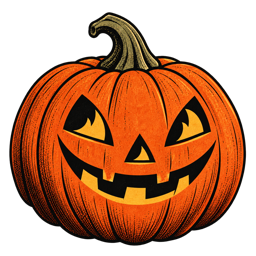
Halloween coloring can be a wonderful seasonal activity for older adults when the page is easy to see, comfortable to hold, and inviting without being overwhelming. A large pumpkin, a friendly ghost, a black cat, or a quiet autumn cottage can create an opening for conversation and personal expression. The goal is not to finish the most complicated picture. It is to offer a creative choice that feels approachable.
This guide is for family members, caregivers, activity coordinators, senior centers, assisted-living communities, and anyone preparing Halloween coloring pages for seniors. It covers page selection, printing, tools, group setup, conversation prompts, and ways to make the activity welcoming for different abilities and preferences. Always adapt the session to the individual and follow any guidance from their care team.
Why coloring works well for a seasonal group activity
Coloring has a simple entry point. A participant can begin with one pumpkin, one leaf, or one window without needing to understand a complicated set of instructions. Someone who wants to talk can color while sharing memories. Someone who prefers quiet can focus on the page. The activity can be social without requiring everyone to participate in exactly the same way.
Halloween also offers familiar subjects that can spark recognition: carved pumpkins, old-fashioned costumes, autumn leaves, candy, cats, moonlight, and front porches. A page can become a gentle conversation starter about favorite decorations, childhood celebrations, family recipes, or the feeling of October without turning the session into a test of memory.
For more general guidance on choosing readable designs, see our large-print Halloween coloring pages guide. The principles are useful whether you are printing one page at home or preparing a folder for a group.
What to look for in senior-friendly Halloween coloring pages
The best page is not defined only by age. It should match the person’s vision, hand comfort, attention, interests, and current energy. Offer choices, watch how the participant responds, and make it easy to stop or switch pages.
- Clear outlines: strong line work helps the subject remain readable when printed in grayscale.
- Open areas: larger sections are easier to fill and give a satisfying sense of progress.
- Uncluttered composition: one main subject is often more welcoming than a page crowded with tiny details.
- Familiar themes: pumpkins, leaves, cats, cottages, lanterns, and friendly ghosts invite personal color choices.
- Single-sided printing: this makes pages easier to share, display, and work on with markers.
- Flexible mood: gentle spooky art is useful for groups with different comfort levels.
Large print does not have to mean plain. A page can have a bold central subject and a few larger supporting details. Avoid making every area tiny just to increase the page count. One comfortable illustration is usually more valuable than several pages that create frustration.
Five themes that invite conversation
Pumpkins and jack-o’-lanterns
Pumpkins are an easy first choice because there is no single correct color. Participants can choose traditional orange, pale cream, green, blue, or any combination they enjoy. A pumpkin patch also creates natural conversation: Did they ever carve a pumpkin? Did their family decorate a porch? What kind of face would they draw?
Keep a small bowl of orange, gold, green, brown, and cream tools nearby, but let people go in another direction if they wish. Our pumpkin coloring page guide has ideas for simple and more detailed designs.
Friendly ghosts and lanterns
Ghosts can be playful, elegant, or quiet. A ghost beside a lantern or moon is easy to recognize and can be colored with pale blue, lavender, silver, or warm cream. If a participant dislikes scary themes, friendly ghosts provide a Halloween subject without heavy horror imagery.
Black cats and autumn animals
Cats, owls, squirrels, and other autumn animals give the group a chance to choose expressive colors. A black cat can be charcoal, navy, or plum, with golden eyes and a patterned scarf. Animal pages often work well for people who prefer familiar subjects over witches or haunted houses. Explore our Halloween cat coloring guide for ideas.
Witch cottages and storybook scenes
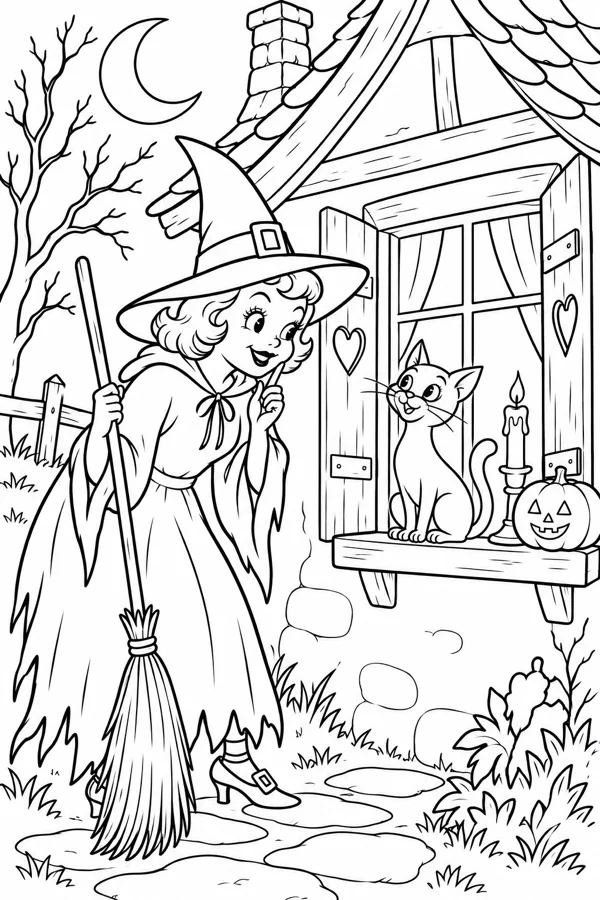
A cottage page offers several places to begin: the roof, door, tree, path, or glowing window. It can be shared as a group project or kept as an individual page. Ask whether the cottage looks welcoming, what might be inside, or which season the trees suggest. Avoid assuming that every participant wants a frightening scene; a storybook witch and warm cottage often feel more inclusive.
Autumn leaves and harvest tables
Not every page needs a strong Halloween character. Leaves, apples, acorns, flowers, baskets, and harvest decorations can create a seasonal activity for people who prefer fall art. Add a pumpkin or candle for a subtle Halloween connection. These subjects also make it easy to use natural color references from outside the window.
How to prepare the room
A comfortable setup matters as much as the page. Use even lighting without glare, leave enough table space for elbows and tools, and place pages where everyone can reach them. If the session is in a care setting, check whether a participant prefers a quiet corner, a smaller table, or a seat with a clear view of the room.
Put a few tools in the middle rather than covering the table with every option. Colored pencils, thick crayons, and easy-grip markers can give different kinds of feedback in the hand. Use containers that are stable and easy to see. Add scrap paper beneath markers and keep a damp cloth nearby for ordinary spills.
Do not correct how someone holds a tool or chooses a color unless they ask for help. The page belongs to the participant. A caregiver’s role is to remove friction, offer choices, and notice when the person wants a pause.
Printing tips for large, comfortable pages
Print a test page before making a large batch. Check that the outlines are dark enough, the page is not cropped, and the text or small details are readable. US Letter and A4 are both common, so select the paper size that matches your printer. Use “fit to page” when necessary, but avoid shrinking a design so much that the open areas disappear.
For a group, print single-sided pages on paper that is comfortable to write on. Slightly heavier paper can feel more substantial and reduces bleed-through from markers. If a page will be displayed, leave a clear margin so it can be mounted or placed on a bulletin board.
Our printable PDF guide explains paper and printer choices, while the colored pencil guide compares tools for layering and easy control.
A simple 45-minute group session
A loose structure helps an activity coordinator prepare without making the session feel like a lesson.
- Welcome, five minutes: show three or four page options and invite each person to choose one.
- Getting started, ten minutes: offer a few colors and let everyone begin with the largest area.
- Coloring time, twenty minutes: keep conversation optional. Read a short autumn poem or play quiet music if the group enjoys it.
- Sharing, ten minutes: invite anyone who wants to show one color or detail they like. Displaying work is optional.
Some participants may finish quickly while others may color one small area. Both are successful outcomes. Keep extra simple pages available for anyone who wants a new start, and never make finishing a requirement.
Gentle prompts for caregivers and families
Questions should be invitations rather than quizzes. They can help a quiet group connect without putting anyone on the spot.
- Which color would you use for a porch light?
- Would this cat live indoors or outdoors?
- What would you put in the cottage window?
- Did you ever make a Halloween decoration by hand?
- Which autumn color do you notice outside today?
- Would you give this pumpkin a funny face or a mysterious one?
Let the participant answer with a color, a story, a gesture, or no answer at all. The conversation is an option, not the purpose of the activity.
Make the activity inclusive
Offer different ways to take part. Someone may choose pages while another person colors. A participant might select the palette, describe colors, or help place finished work on a display. If dexterity is limited, larger tools, pencil grips, or a stable surface may help, but ask before changing anything.
Keep the emotional tone flexible too. Some people love witches and haunted houses; others prefer pumpkins, leaves, cats, or gentle ghosts. A mixed folder lets each person choose a subject that feels right. Our age and difficulty guide can help you prepare variety, while our adult coloring collection offers more mature vintage scenes.
For people who prefer digital tools, the Vintage Halloween Coloring iPhone app provides zoom, undo, and palette changes without a printer. It can be useful for a personal session or for someone who enjoys choosing colors on a screen. A paper page and an app can sit alongside each other without one being considered the “correct” format.
Simple ways to extend the session
A finished page can become a card, a small table sign, a bulletin-board decoration, or a gift for a family member. Ask permission before displaying or giving away artwork. If the group wants a shared project, combine several large pages into a seasonal wall or create a row of colored pumpkins.
You can also pair coloring with music from a participant’s younger years, a warm drink, a short reading, or a discussion of autumn traditions. Keep the extra activity optional so coloring remains the center rather than becoming another task to complete.
Frequently asked questions
What Halloween coloring pages are best for seniors?
Choose large-print pages with bold outlines, open areas, familiar subjects, and a clear composition. Pumpkins, cats, friendly ghosts, autumn leaves, cottages, and lanterns are dependable choices. Always adapt the page to the individual’s preferences and comfort.
What supplies work well for older adults?
Colored pencils, thick crayons, and easy-grip markers are common options. Provide stable containers, good lighting, and paper that feels comfortable. Let each participant choose the tool that feels best in their hand.
Can senior centers print Halloween coloring pages for a group?
Yes, when the page’s license allows the intended use. Check the source’s terms before making copies for an organization or facility. Print a test page, use single-sided paper, and prepare more than one difficulty level.
Should Halloween activities for seniors be scary?
Not necessarily. A welcoming activity can use pumpkins, harvest scenes, cats, leaves, lanterns, and friendly ghosts. Offer different subjects and let each person choose the mood they enjoy.
Keep the season creative.
Choose clear vintage Halloween artwork for quiet time, group activities, family visits, and gentle autumn connection.