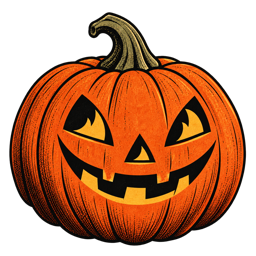
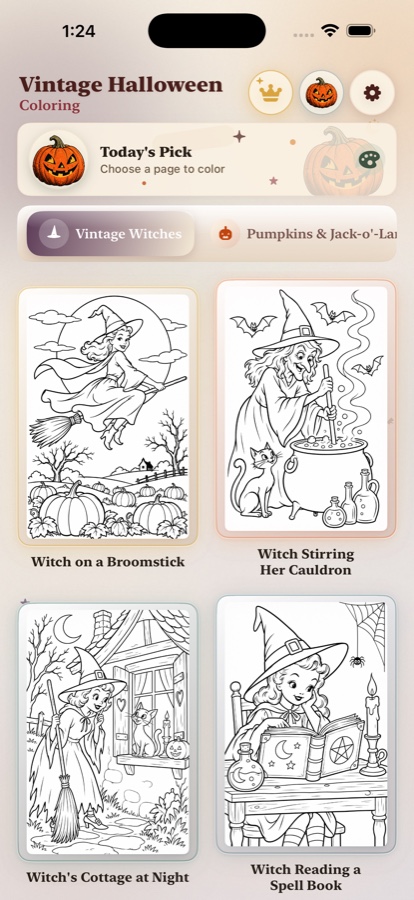
Halloween color by shape worksheets turn early math practice into a picture that slowly appears. A child reads a simple key, finds circles, squares, triangles, stars, or rectangles inside the illustration, and colors each shape as directed. A pumpkin face, ghost, bat, or haunted house emerges from a collection of recognizable forms. The activity is structured, but it still feels like coloring.
This format is useful for preschool, kindergarten, homeschool, early elementary classrooms, learning centers, and short activities at home. It supports shape recognition and color identification while also asking children to follow directions, look carefully, and control a coloring tool. The Halloween theme provides a friendly reason to revisit the same skills.
What is a Halloween color by shape worksheet?
A color by shape page includes a picture made from named shapes and a color key. The key might say “circle = orange, triangle = purple, star = yellow.” The learner finds each shape in the illustration and applies the assigned color. In some designs, the shapes create a mystery pumpkin face or a hidden Halloween character.
It is different from a regular coloring page because the key guides the palette. It is different from a pure shape worksheet because the shapes become part of a recognizable picture. That combination helps children connect abstract geometry with something they can name and talk about.
- Identify: look for the shape named in the key.
- Match: connect the shape to its assigned color.
- Follow: apply the instruction consistently across the page.
- Color: fill the shape with enough control to keep the picture readable.
- Explain: describe what was colored and where it appears.
Choose the right shapes for the learner
For preschoolers, begin with circles, squares, triangles, and rectangles. Use large shapes and a short key with two or three colors. A pumpkin with shape-based eyes and a mouth is easier to approach than a crowded haunted house filled with tiny geometry. Our guide to Halloween coloring pages for preschoolers and toddlers has more advice on open spaces and friendly line art.
Kindergarten learners may be ready for stars, diamonds, ovals, and simple combinations. Ask them to find shapes before coloring: “Can you point to all the triangles?” Then read the color instruction. Older children can work with a longer key, compare the number of each shape, or create their own color-by-shape picture.
Do not use complexity as a measure of progress. A page with four clear shapes can offer better practice than a page with ten tiny categories. The goal is accurate recognition and a satisfying creative finish.
Five ways to use Halloween shape coloring pages
1. Read the key together
Before coloring, point to each symbol in the key and say its name. Trace the shape in the air or make it with a finger on the table. Ask the learner to find one example in the picture. This short preparation makes the page less mysterious and gives the child a chance to ask questions.
2. Hunt before you color
Invite the child to circle or point to every star, triangle, or circle first. Then return to the key and color the group. This separates recognition from pencil control and can help a learner who becomes distracted by the palette.
3. Use the page as a math center
Place the worksheet with shape cards, crayons, and a small tray of objects. Students can sort buttons or blocks by shape before starting the page. After coloring, count how many circles or triangles appear. Our guide to Halloween coloring worksheets for kindergarten offers more ways to combine seasonal art with early learning.
4. Make a color pattern
After following the key once, create a border pattern using the same shapes. A child might alternate orange circles and purple triangles, or build a row of stars in warm colors. This extends the activity without changing the main worksheet.
5. Explain the finished picture
Ask what the shapes became. “The triangles made the teeth.” “The circles became the eyes.” “The stars are in the sky.” This helps the learner connect geometry to the Halloween scene. For vocabulary extensions, visit our Halloween vocabulary coloring pages for ESL.
Use color by shape in preschool and kindergarten
In preschool, keep the session short and collaborative. An adult can read the key while the child points and colors. Use washable crayons or broad markers, a protective sheet, and a page with enough open space. It is fine to complete only part of the picture and return later.
In kindergarten, add a little independence. Let children read a two- or three-item key, find the shapes, and explain one choice to a partner. Avoid correcting every imperfect edge. The worksheet is practicing recognition and following directions, not testing artistic precision.
For homeschool, use the page as one station in a short lesson. Begin with real objects, complete the worksheet, then go on a shape hunt around the room. Look for circles in plates, rectangles in books, triangles in signs, and stars in decorations. Finish by drawing a Halloween picture that uses at least three shapes.
Connect shapes to Halloween vocabulary
Shape language becomes more memorable when it is attached to a picture. A triangle can be a witch hat, a circle can be a pumpkin eye, a rectangle can be a door, and a star can be part of the night sky. Encourage simple sentences: “The door is a rectangle.” “The hat has triangles.” “I colored the circle orange.”
For English learners, show the shape, say the word, and let the learner repeat or point. Add one Halloween noun at a time so the page does not become a vocabulary overload. The same worksheet can practice math language and seasonal words without needing a separate lesson.
Design a clear color key
A good key is easy to scan. Put the shape symbol beside its name and color, and keep the shape large enough to identify. If the learner cannot read color words yet, color a small example swatch in the key. Use high-contrast crayons and avoid assigning very similar colors to shapes that sit beside one another.
Limit the first page to a few categories. Add more shapes only when the learner is ready. If you are preparing a classroom set, print a color sample for adults and keep the student version uncluttered. For palette ideas that still feel seasonal, see Halloween coloring book color palettes.
Let learners choose their own colors after the guided page. A second blank coloring page can ask them to use the shapes however they like. That contrast teaches both following a code and making an independent artistic decision.
Make the activity accessible and low-pressure
Offer a choice of tools and a choice of page difficulty. A child who finds small shapes tiring can use an enlarged copy or a page with fewer categories. A learner who enjoys detail can add a background after the key is complete. Our guide to Halloween calm corner coloring pages discusses optional creative pauses and flexible participation.
Friendly imagery works well for mixed groups. Pumpkins, cats, stars, candy, leaves, and smiling ghosts keep the focus on shapes without requiring frightening content. If a child does not want to color, they can be the shape caller, point to examples, or sort shape cards instead.
Print and organize shape worksheets
Print one test page to check that the key, outlines, and color spaces are readable. Use medium-weight paper for a classroom table and keep extra copies for learners who want to try a different palette. A completed page can be displayed beside the key or added to a seasonal math folder.
For printer settings, paper size, and PDF preparation, see our printable Halloween coloring pages PDF guide. If you want to add a game after the worksheet, use the finished vocabulary and pictures in Halloween bingo coloring cards.
Let the picture appear one shape at a time
Color by shape activities are satisfying because the learner can see a picture emerge from simple decisions. A triangle becomes a hat. A circle becomes an eye. A rectangle becomes a door. Together, the shapes create a Halloween scene that feels both guided and personal.
Print a page, read the key, and start with one shape. Keep the lesson short, celebrate careful looking, and leave room for the child to draw something new afterward. Early math can be precise without losing its sense of play.
Frequently asked questions
What are Halloween color by shape worksheets?
They are Halloween-themed pages with a color key that asks children to identify shapes such as circles, squares, triangles, stars, or rectangles and color each shape with the assigned color.
What age are Halloween color by shape pages for?
Simple pages can suit preschool and kindergarten learners. Use fewer shapes and a larger illustration for younger children.
How do color by shape pages support learning?
They combine shape recognition, color identification, visual attention, following directions, pencil control, and discussion of position and pattern.
Can I use Halloween color by shape worksheets at home?
Yes. Read the color key together and let the child explain the shapes they found. The activity can work as a short homeschool lesson or quiet afternoon task.